
There’s a particular moment, just before research starts, where everything either clicks into place… or quietly starts to unravel.
The client team has arrived, coffees in hand. The first participants are due any minute. Someone’s testing the screen share, someone else is asking about lunch timings, and there’s a last-minute tweak to the discussion guide floating around. It’s not chaos exactly, but it’s close enough that you can feel the edges of it.
A good viewing facility doesn’t eliminate that moment entirely. But it does hold it steady. It absorbs the pressure, smooths the edges, and lets the research do what it’s meant to do.
Choosing the right viewing facility, then, isn’t just about location or layout. It’s about finding a place that understands how market research actually plays out in real life, and quietly supports it from behind the scenes.
Before you get into comparing facilities, it’s worth stepping back and thinking about the shape of your project.
A viewing facility that works beautifully for a straightforward focus group might not be the right fit for a usability study with multiple devices, or a full-day workshop with breakout sessions and client collaboration.
For example, if you’re running qualitative market research with live observers, you’ll want a space that allows clients to watch comfortably without feeling intrusive. That balance between visibility and discretion is something you only really notice when it’s missing.
If it’s usability or UX testing, the setup becomes more technical. Screen mirroring needs to be seamless, recording reliable, and support available quickly if something decides not to behave.
And if it’s workshops or co-creation sessions, the feel of the room matters just as much as the functionality. People need space to think, move, and engage without feeling like they’re sat in a boardroom that’s trying a bit too hard.
A good viewing facility will ask about all of this upfront, not just how many people you’re expecting.
On paper, location is simple. Somewhere central, easy to get to, good transport links. But in practice, it’s often the difference between a smooth day and a logistical headache.
Participants arriving late because they couldn’t find parking, clients rushing in from delayed trains, or teams struggling to navigate unfamiliar areas… these things chip away at the day before it’s even begun.
That’s why accessibility matters in a more practical sense. Clear directions, nearby transport, straightforward parking, and a building that’s easy to navigate once you’re inside. It sounds basic, but it’s surprisingly easy to get wrong.
There’s also something to be said for the feel of a place. A viewing facility that’s welcoming, calm, and well looked after tends to put participants at ease much faster. And when people feel comfortable, the quality of your market research improves almost by default.
Tech is one of those areas where everything feels invisible… right up until it doesn’t.
Reliable streaming, clear audio, and consistent recording aren’t headline features, but they are absolutely foundational. Especially now, when hybrid setups are common and not everyone is in the room.
A strong viewing facility will have already thought through the small details. Backup options if a connection drops. Someone on hand who actually understands the setup, rather than needing to “have a look at it.” A system that works consistently, not just on a good day.
It’s not about having the most advanced tech on paper. It’s about having tech that quietly does its job so you don’t have to think about it.
No matter how well a project is planned, something always shifts on the day.
A participant arrives early. Someone needs to join remotely at the last minute. The client team decides they’d like to tweak the flow between sessions. Or lunch needs to be moved forward because everything is running slightly ahead.
This is where the people running the viewing facility come into their own.
Good support isn’t intrusive. It’s not someone hovering or over-managing the space. It’s more subtle than that. It’s noticing what’s happening, anticipating what might be needed, and stepping in at the right moment.
That might mean quietly resetting a room between sessions so it feels fresh again. It might mean coordinating participants so there’s no awkward overlap. Or it might just be keeping everything running on time without making it feel rushed.
It’s the difference between a venue that hosts your research, and one that actively helps it succeed.
It’s easy to underestimate how much the environment affects the quality of insight.
If participants feel cramped, distracted, or uncomfortable, it shows up in the conversation. If clients are squeezed into a space that doesn’t quite work for observing, their experience suffers too.
A well-designed viewing facility takes this into account without making a fuss about it. Comfortable seating, good lighting, rooms that feel private but not closed off, and spaces where people can step away when they need to.
Even simple things like access to refreshments, a well-timed lunch, or a quiet corner for client discussions can shift the tone of the day.
There’s a certain kind of ease that comes from being looked after properly. And when that’s in place, everyone can focus on the research itself.
When you’ve spent enough time around market research, you start to notice the details that don’t make it onto spec sheets.
Things like how participants are greeted when they arrive. Whether the check-in process is smooth or slightly awkward. How quickly rooms are turned around between sessions. Whether someone notices that a participant looks a bit unsure and steps in to help.
These aren’t big, dramatic features. But they shape the overall experience in a very real way.
A strong viewing facility treats these moments with care, because they know they’re part of the research journey, not separate from it.
Ultimately, choosing a viewing facility for market research comes down to trust.
You’re trusting that the space will support your work, that the technology will hold up, and that the people running it understand what you need without everything needing to be spelled out.
The best facilities don’t feel transactional. They feel collaborative. They ask the right questions, they adapt when things change, and they take a quiet pride in making sure everything runs as it should.


Recognised for doing things differently: the Healthcare Simulation Suite at Aspect We’re incredibly proud to […]
Read more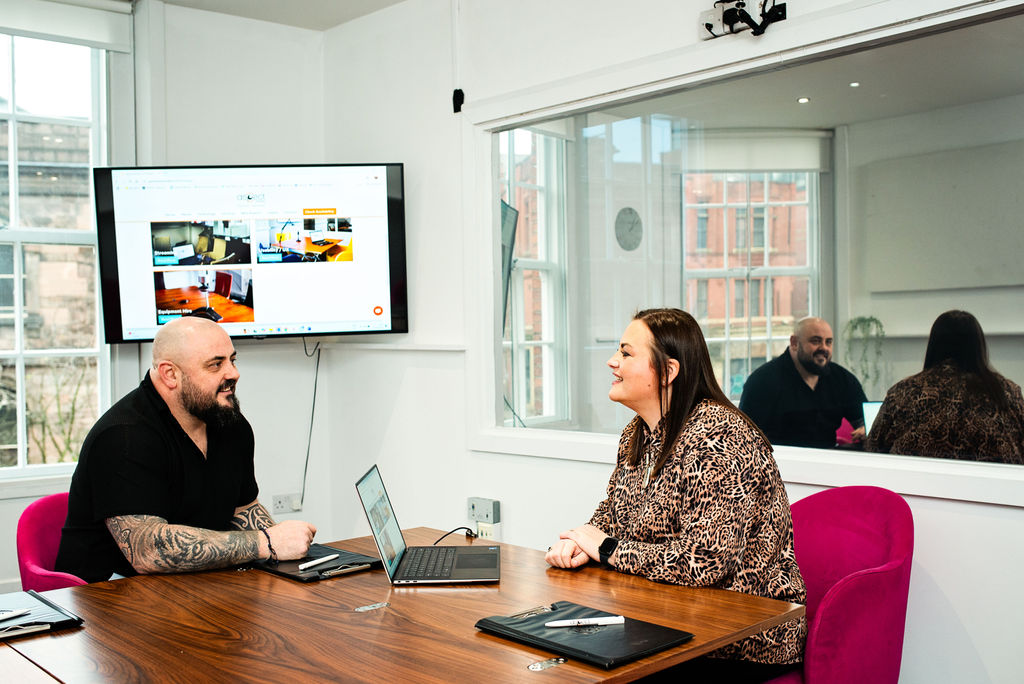
One less thing to organise – Transcription now included as standard at Aspect If you’ve […]
Read more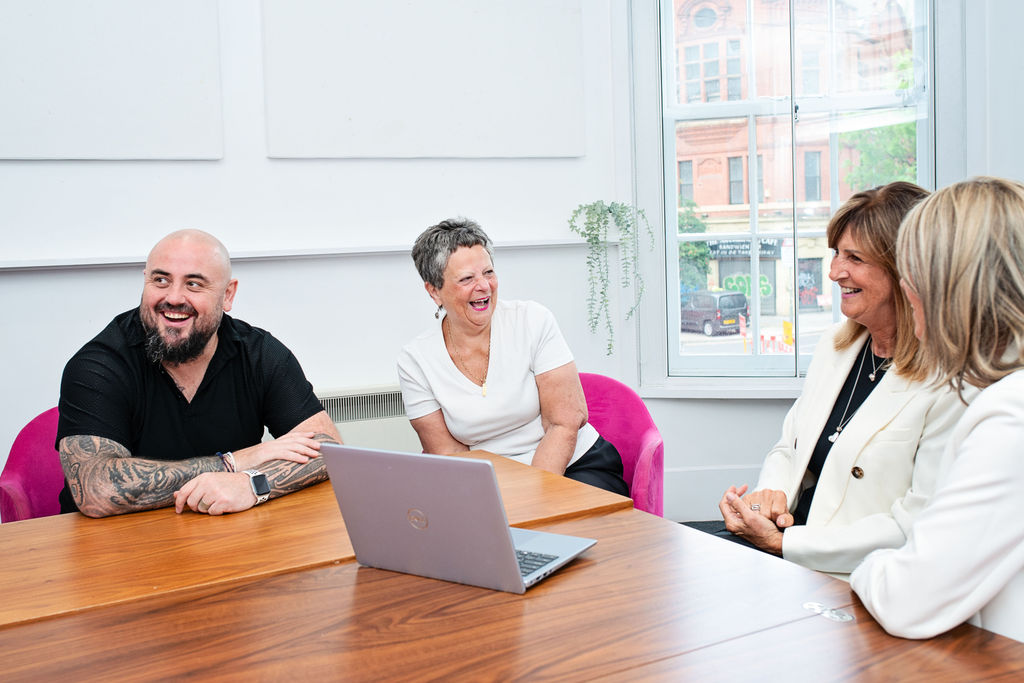
Every so often, someone announces that face-to-face research is on its way out. Online platforms […]
Read more