Every so often, someone announces that face-to-face research is on its way out. Online platforms are faster. Remote interviews are easier. AI is cleverer. Surely the days of gathering people in a room are numbered?
And yet, the rooms are still full.
What’s changed isn’t the value of being in person. It’s how and when we choose to do it.
Over the past few years, the research landscape has expanded. Remote methodologies have opened doors, making it easier to reach participants across regions, schedules and circumstances. That flexibility has been transformative, and it’s here to stay.
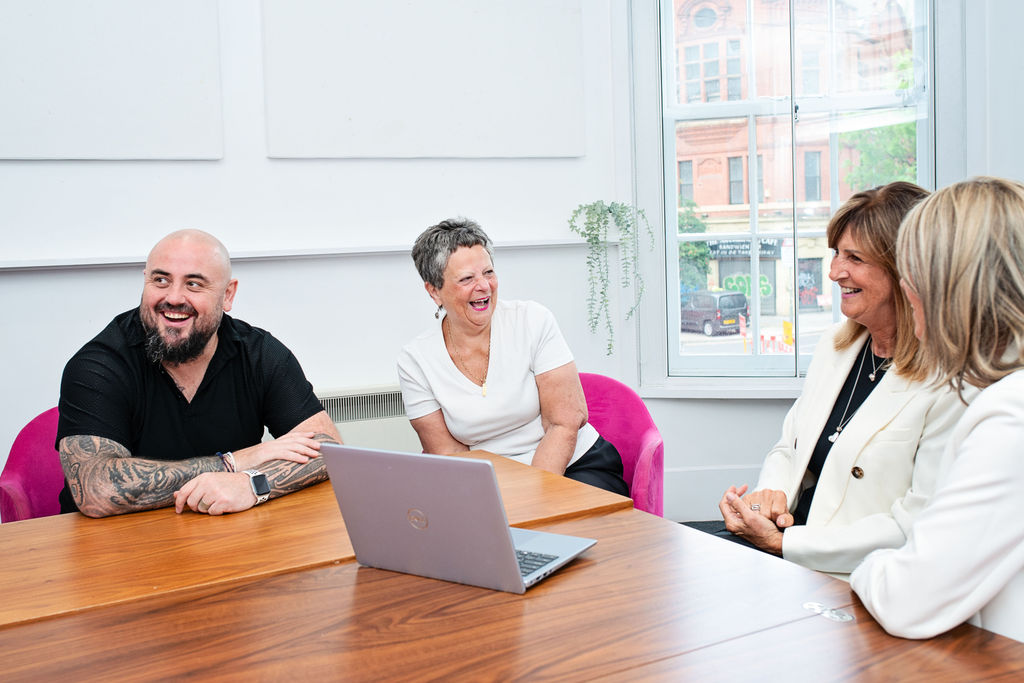
But when people sit across from one another, something different happens. Conversations flow in unexpected directions. Body language tells its own story. There’s a shared energy in the room, small glances, quiet laughter, moments of hesitation, that adds depth to what’s being said.
For sensitive topics, complex ideas or high-stakes innovation, that human connection still matters. It builds trust differently. It allows space for nuance. It creates moments that can shift a discussion in ways no platform quite replicates.
What we’re seeing now is not a decline, but a more thoughtful blend. Remote pre-work followed by in-person sessions. Digital diaries that inform live workshops. Online screening supporting focused studio groups. Face-to-face has become more intentional, more purposeful and, in many cases, more impactful.
The choice is no longer about tradition versus technology. It’s about asking what this particular project needs. Sometimes that answer is speed and scale. Sometimes it’s depth and shared presence.
When the environment is right, when participants feel welcomed, when technology works seamlessly in the background, when the day runs smoothly, being in the room can elevate the entire research experience. It allows clients to observe naturally, moderators to respond instinctively and participants to settle into honest conversation.
Face-to-face research isn’t clinging on. It’s adapting, finding its place alongside digital tools rather than competing with them.
In a world that moves quickly and often communicates through screens, there is still something powerful about people coming together to talk, listen and understand.
That hasn’t change and it's why the environment still matters.
A well-considered space. A friendly welcome. Technology that works without fuss. A team quietly making sure everything runs as it should. These details don’t shout for attention, but they shape the tone of the day. They help participants relax. They help clients focus. They allow the conversation to unfold naturally.
Face-to-face research doesn’t need defending. It simply needs the right setting to do what it has always done best: bring people together to share, explore and understand.



With 2023 already upon us, it feels like the only certainty is uncertainty. For many, […]
Read more
As 2023 is upon us, you may be wondering if there are some under-the-radar places […]
Read more